Download our FREE Japan Planner Template →
We just came back from visiting Osaka, famously known for its delicious food bites and unique nightlife. After visiting castles, retro towers and food markets, we’ve narrowed down the absolute best 10 things to do in the city.
In this guide we’re not just listing tourist spots. We’ll also give you our honest thoughts on what’s actually worth your time and what isn’t, share the food spots we discovered, and tell you the one area to head to if it starts raining during your trip. And at the end, we’ll break down exactly how long you need in Osaka, plus our best tips for getting around the city.
Watch the full video below, or keep scrolling for the written guide.
📍 Get every place in this guide pinned on Google Maps
Buy our Japan Travel Guide and get access to our Japan Maps, with every food spot, shop and location we recommend in Osaka already pinned for you. No more copying places one by one. Just open the map and go.
👉 Get the Ultimate Japan Travel Guide (with the pinned Google Maps)
Quick answer: The best things to do in Osaka are Dotonbori and the Glico sign, Osaka Castle (go before 10 AM), Shinsekai and Tsutenkaku Tower, Namba Yasaka Shrine, trying Osaka’s street food (takoyaki, okonomiyaki and kushikatsu), the Shinsaibashi shopping arcade, vintage designer shopping, lunch at the Namba Station food court, Ichiran ramen and a day trip to Nara. 2 days is the sweet spot for the city itself, or 3 if you add Nara.
We’re starting our list with Osaka’s most iconic landmark.
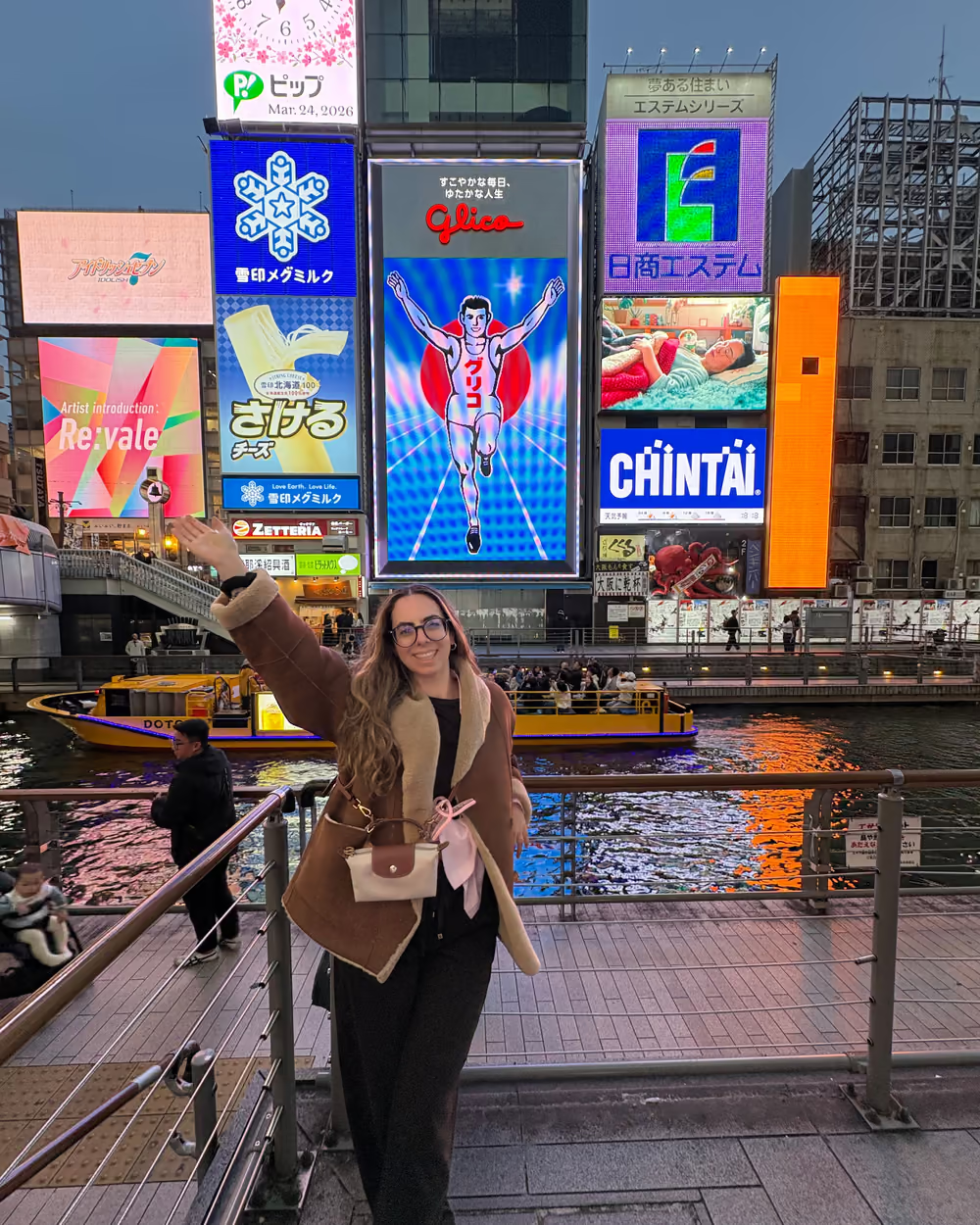
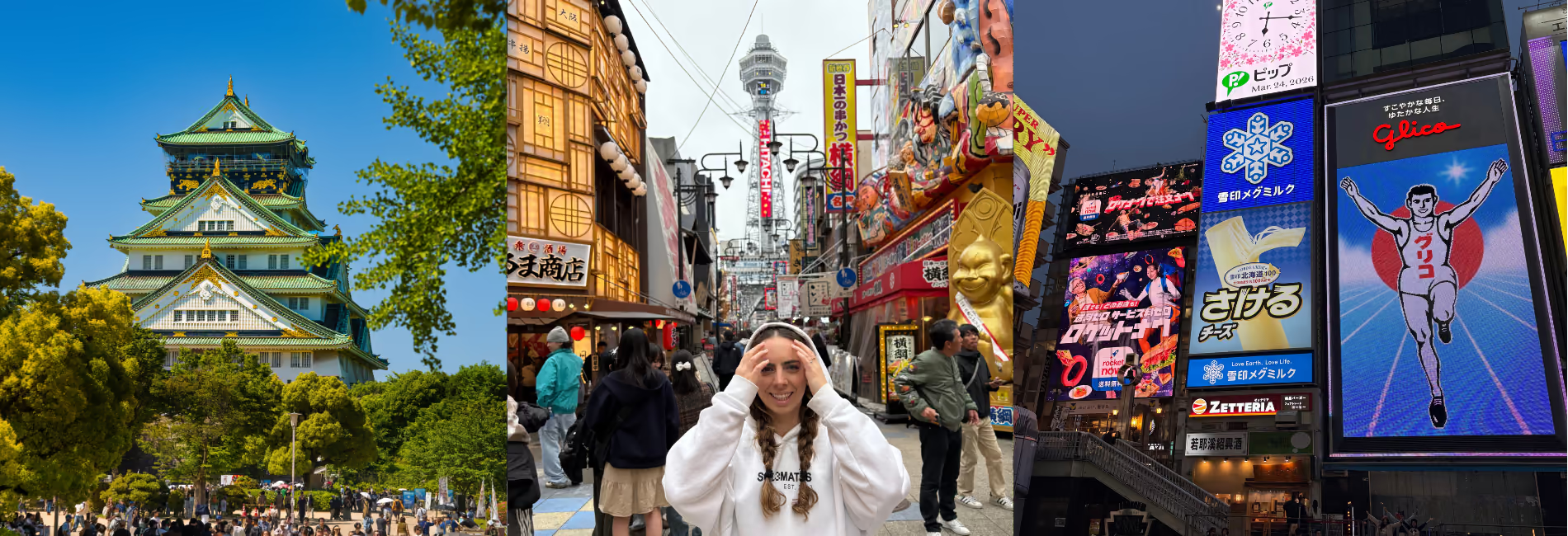
This is probably the first thing you’ll go visit when you arrive in Osaka. Dotonbori is Osaka’s most iconic entertainment district, built around a canal that dates back to the 1600s and was originally constructed to boost trade. It later became the city’s main theater district during the Edo period, and today it’s Osaka’s nightlife and neon capital.
The most photographed spot here is the Glico running man sign, lit up over the canal. It’s bustling any time of day, but the neon really comes alive after dark. It’s great for a river cruise, a walk along the water, or just soaking in the energy.
There are lots of food vendors around the canal, lots of restaurant options and lots of bars. This is the area where people go out at night.
Best for: Neon, nightlife, street food and your first night in Osaka.
Best time to go: After dark.
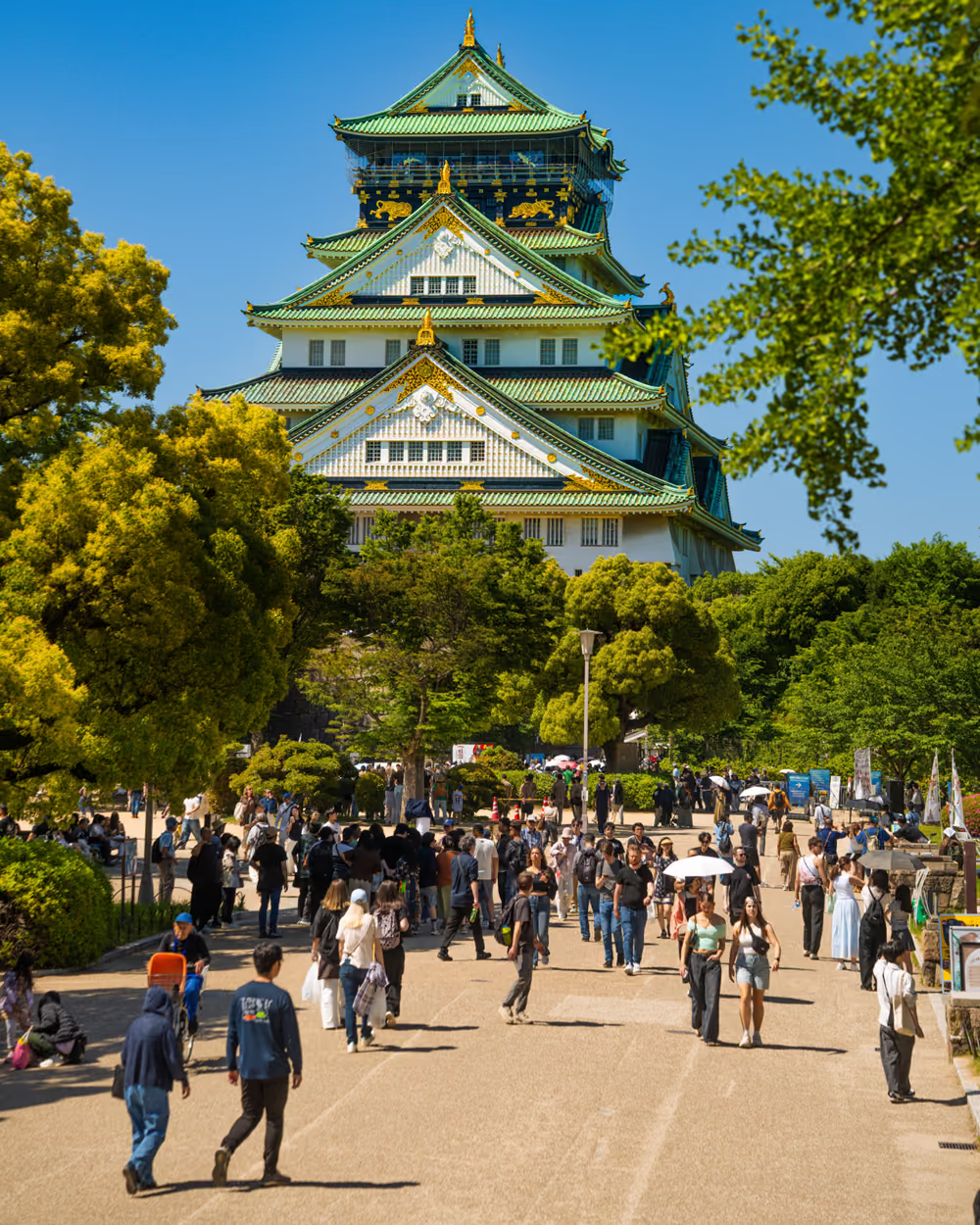
If there’s one landmark you shouldn’t skip in Osaka, it’s this one. Osaka Castle was originally built in 1583 and it was designed to be the largest, most impressive castle in the country, covered in gold leaf, with a five-story structure.
It’s been destroyed and rebuilt more than once: it burned in the Siege of Osaka in 1615 and was hit by lightning in 1655. The current tower dates back to 1931.
From the outside, it’s very big and genuinely beautiful, and it’s worth going out of your way to visit (it’s a couple of stations away from the center). The inside is now more of a museum, so seeing it from the outside is enough for most people.
If you do want to go in, go early, because a queue forms. We arrived at 9:45 AM and it was already quite busy, and it got busier and busier as time went by. Our rule of thumb: get there before 10 AM.
Best for: Photos, history and a break from the neon.
Queue tip: Arrive before 10 AM.
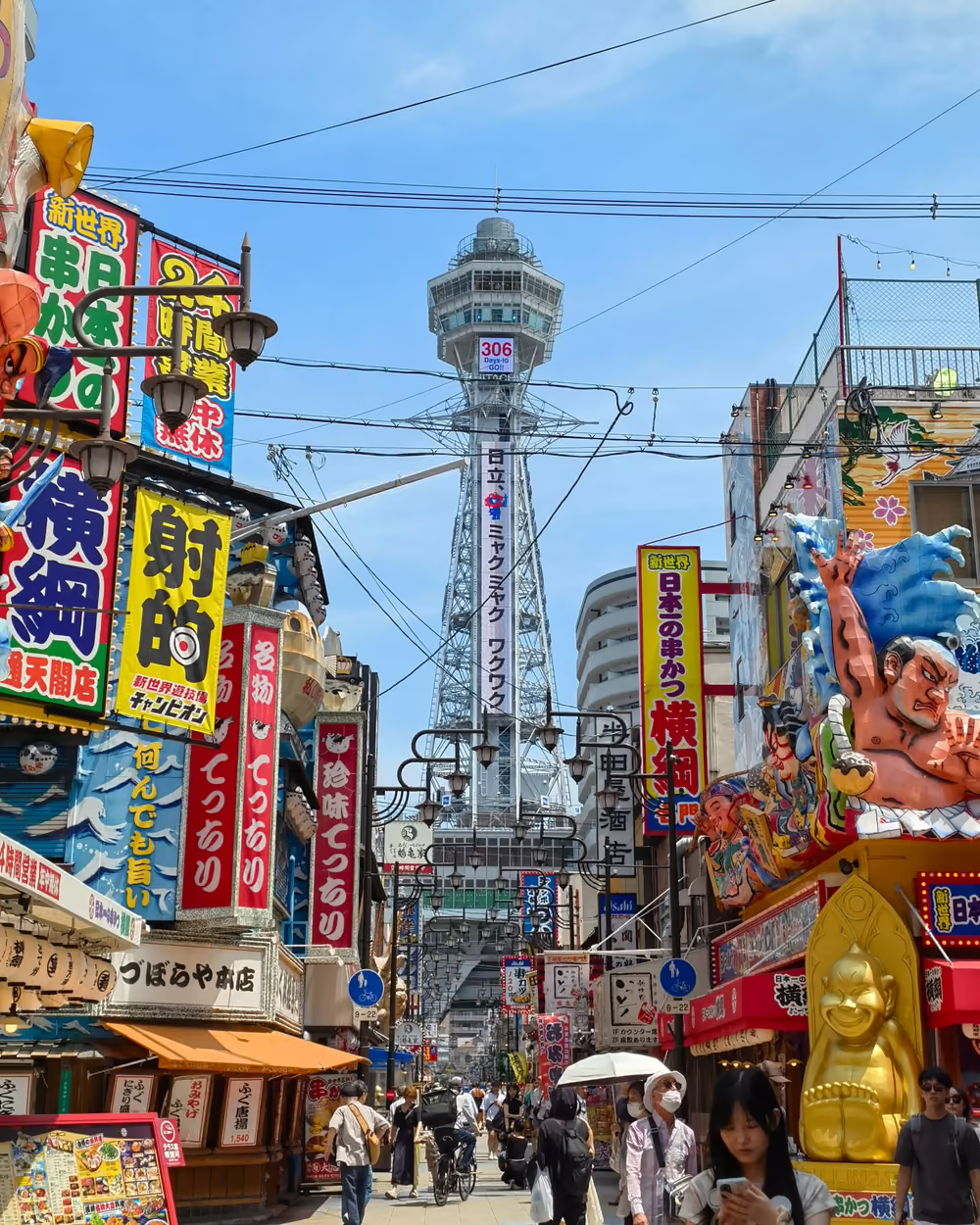
From here, we head into one of Osaka’s most nostalgic, old-school neighborhoods. Shinsekai means “New World,” and it’s built around its centerpiece, Tsutenkaku Tower. It feels like stepping back into a retro, Showa-era version of Osaka, and it’s a fantastic photo spot.
We went at around 11 AM and it wasn’t too crowded. For the vibes, evening or night is better, but if you want to avoid the crowds, midday works well too.
It’s not the best area for food overall, although there are quite a few places to eat if you want a quick bite.
Best for: Retro vibes and photos.
Best time to go: Evening for the vibes, midday for fewer crowds.
📋 Planning your trip to Japan? Download our free Japan Planner to keep your hotels, places to visit and budget all in one place.
A quick but genuinely unique stop that most tourists walk right past. Namba Yasaka Shrine is famous for its giant lion-head stage, built in 1975 and standing about 12 meters tall. The lion’s mouth is believed to swallow evil spirits and bring good luck, especially for school and business.
It’s a very small shrine, so you’ll see it in a few minutes, but it’s unlike anything else you’ll see in Japan.
Best for: A quick, unique stop.
Time needed: A few minutes.
Osaka is considered the food capital of Japan, and three dishes define it:
You’ll find all three within a short walk of Dotonbori and Shinsekai, so it’s easy to try all of them in a single day.
A great place to try food is Kuromon Ichiba Market, known locally as “Osaka’s Kitchen.” It’s a covered market street packed with fresh seafood, wagyu, sushi and street snacks. It’s a great place to sample a lot of different foods in small portions without committing to a full sit-down meal, and especially good if you want to try premium seafood or wagyu without the price tag of a formal restaurant.
Best for: Food lovers.
The Shinsaibashi shopping arcade runs right alongside Dotonbori, connecting Namba to the rest of downtown. It’s a great mix of souvenirs, clothes, food and gadgets.
Bonus: this stretch is mostly covered, which makes it the perfect backup plan if it starts raining, which it did for us. We managed to get our shopping done anyway, and it’s very convenient on a rainy day.
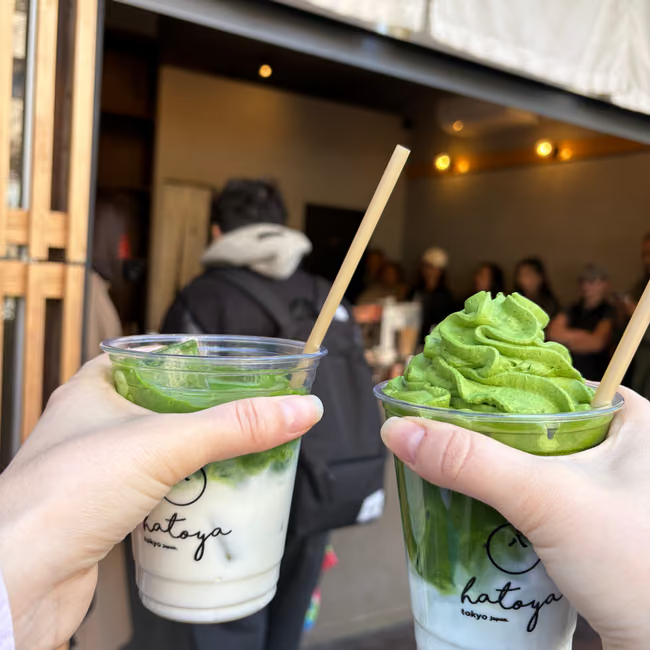
Don’t skip the snack stops along the way. It’s worth having some of the sweets and snacks you find around this area. We had a matcha mochi here that was delicious!
Best for: Souvenirs, snacks and rainy days.
Osaka is known for having better prices than other cities, and there are lots of shops and options. I’m not an expert, but we went into quite a few, and I can confirm that the prices were better than in Tokyo.
🗺️ All these locations are pinned in our Japan Maps, which come as part of our Japan guide. Get the Ultimate Japan Travel Guide to unlock the pinned Google Map.
Best for: Vintage and designer shopping on a better budget than Tokyo.
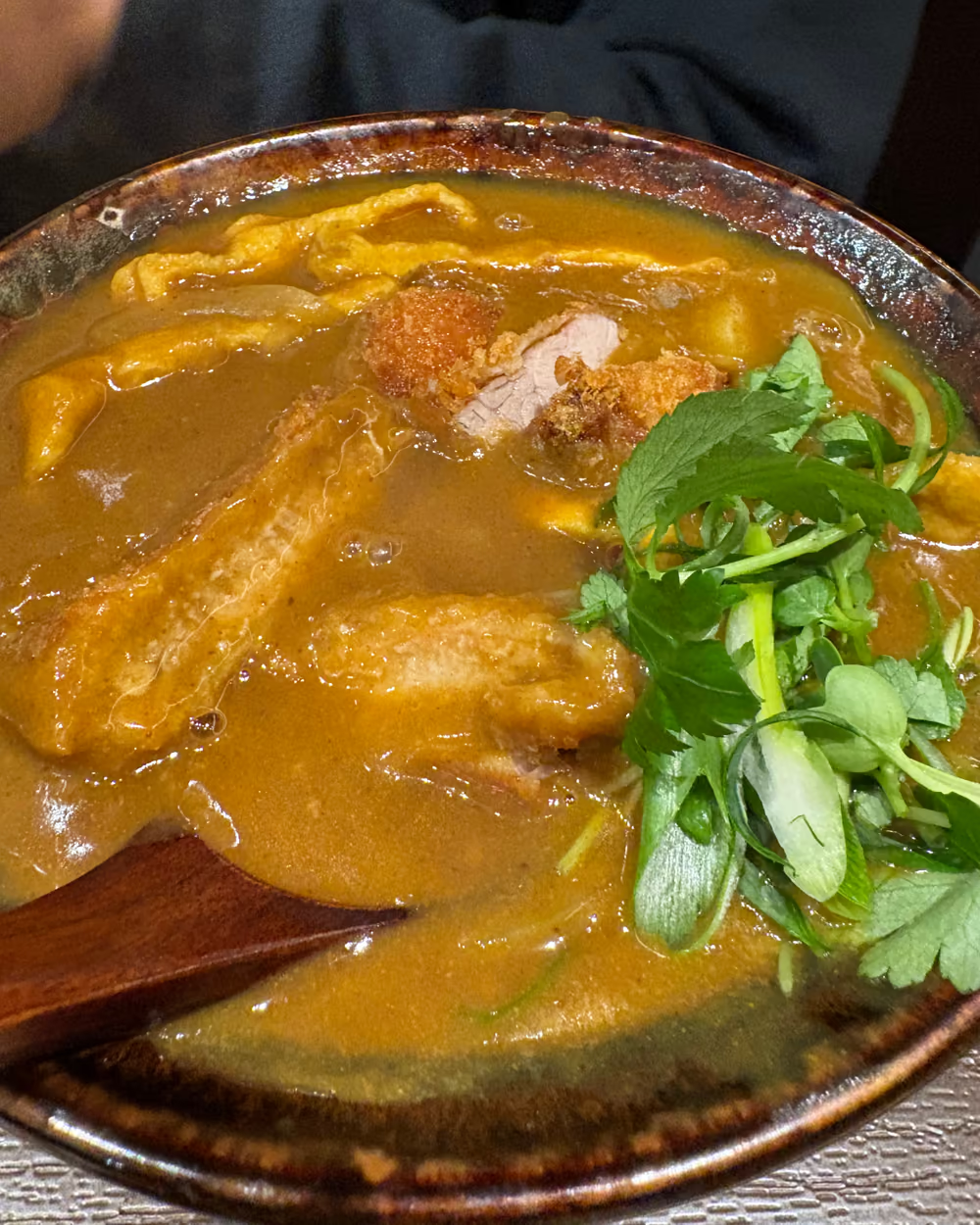
Head underground to Namba Station for one of the easiest, most reliable lunch stops in the city. There are so many good places to eat here.
We discovered an udon restaurant called Shirokitsune, and it did not disappoint. The udon were bouncy with a perfect texture, and they had so many options to choose from. It’s a great pick if you’re already moving through Namba and don’t want to waste time hunting for a restaurant.
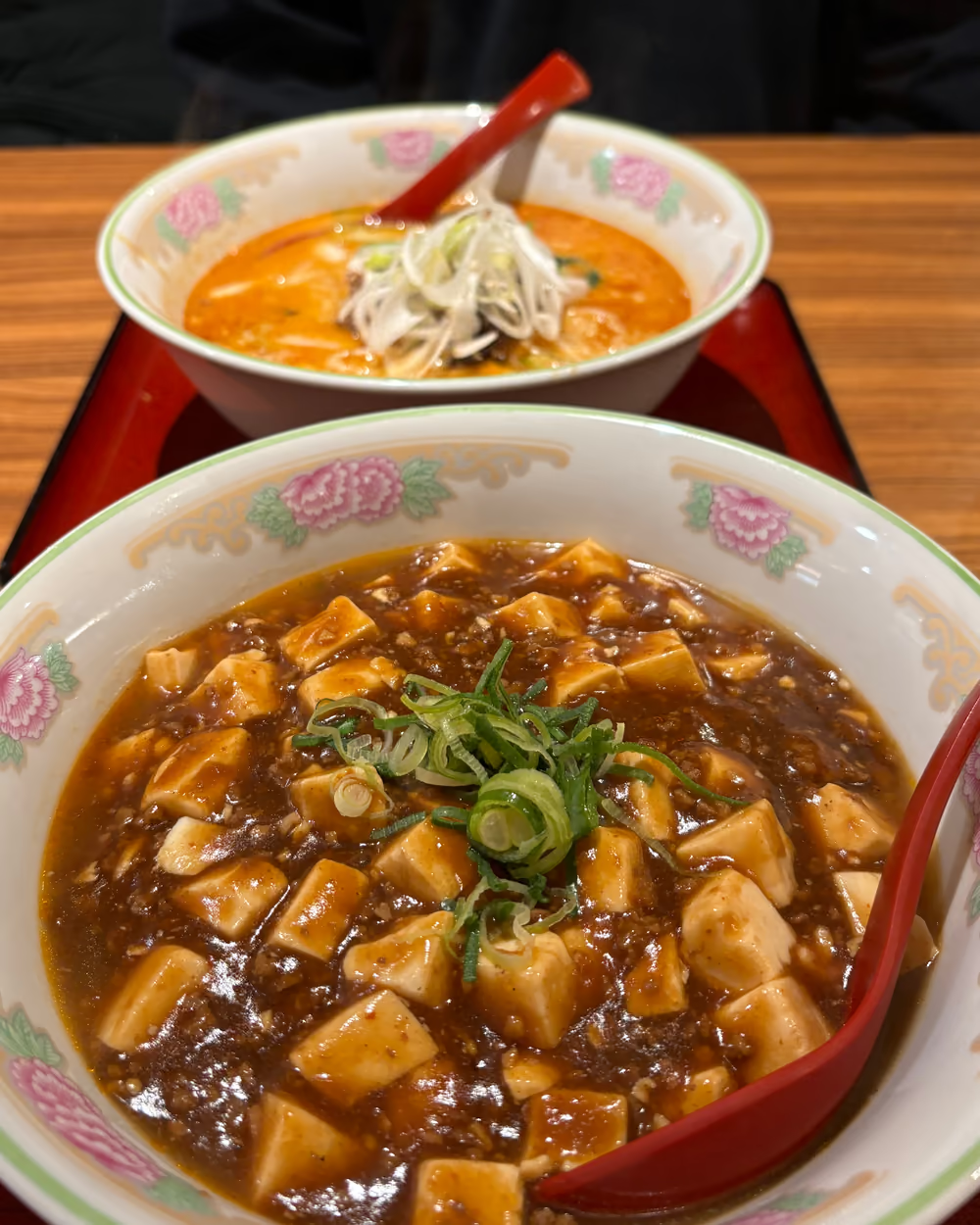
Best for: A quick, easy and delicious meal.
Ichiran is the famous solo-booth ramen chain and a Japan travel rite of passage. But the Osaka Ichiran is different from the others across Japan: it’s the only one that is pork-free. Instead, they use a variety of chicken-based ingredients, which is why the bowl the ramen comes in is different too.
Beware of long queues, though. We waited almost 2 hours total, and over an hour of that was outside. They have an app that tells you when your turn is coming up. If you can, go in the early hours of the morning, otherwise the queues are mental.
Honestly, we’re not sure it’s worth the wait.
Best for: Ramen fans, and anyone who can’t eat pork.
Queue tip: Go in the early hours of the morning.
Finally, if you have any extra time at all, don’t stay within the city limits. There are many day trips you can do from Osaka, but the most famous one is Nara.
Nara is easily reachable from Osaka, and it’s genuinely one of the best day trips in the entire region. It’s home to hundreds of free-roaming deer, considered sacred messengers of the gods. Just remember: they can get aggressive if they think you have food, so follow the posted rules. You can also visit Todai-ji Temple, home to one of the largest bronze Buddha statues in the world.
We’ve got a full, dedicated video breaking down exactly how to spend a day in Nara, so check that out for the complete breakdown. You’ll also find our Nara tips in our guide to the 10 best things to do in Kyoto.
Best for: Deer, temples and an easy full day trip.
| # | What | Area | Best time to go | Our tip |
|---|---|---|---|---|
| 1 | Dotonbori & Glico sign | Dotonbori | After dark | Neon comes alive at night |
| 2 | Osaka Castle | A couple of stations from the center | Before 10 AM | Outside is enough for most people |
| 3 | Shinsekai & Tsutenkaku Tower | Shinsekai | Midday or evening | Not the best area for food |
| 4 | Namba Yasaka Shrine | Namba | Anytime | Just a few minutes |
| 5 | Street food (takoyaki, okonomiyaki, kushikatsu) | Dotonbori & Shinsekai | Anytime | Try Kuromon Ichiba Market |
| 6 | Shinsaibashi shopping arcade | Between Namba and downtown | Anytime | Covered, so perfect for rainy days |
| 7 | Vintage designer shopping | Various | Anytime | Better prices than Tokyo |
| 8 | Namba Station food court | Namba Station | Lunch | Try Shirokitsune udon |
| 9 | Ichiran ramen (pork-free) | Osaka | Early hours of the morning | We waited almost 2 hours |
| 10 | Day trip to Nara | Nara | Full day | Don’t feed the deer |
We personally did Osaka in under 2 days, and that was enough to comfortably hit everything on this list.
Bottom line: 2 days for the city itself, 3 if you want to add Nara without feeling rushed.
Planning how Osaka fits into the rest of your trip? See our Japan 14-Day Itinerary, or download our free Japan Planner to map out every day.
🗺️ Want every Osaka spot saved in one place?
Our Ultimate Japan Travel Guide comes with our Japan Maps, with all the food spots, shops and locations we recommend already pinned. Open it on your phone, and you’ll always know what’s nearby.
Our top things to do in Osaka are Dotonbori and the Glico sign, Osaka Castle, Shinsekai and Tsutenkaku Tower, Namba Yasaka Shrine, trying the street food, the Shinsaibashi shopping arcade, vintage designer shopping, lunch at the Namba Station food court, Ichiran ramen and a day trip to Nara.
2 days is the sweet spot for the city itself. If you want to add a day trip to Nara, plan for 3 days. If you’re short on time, 1 full day is doable if you focus on Dotonbori, Osaka Castle and Shinsekai.
Go before 10 AM. We arrived at 9:45 AM and it was already quite busy, and it got busier as time went by. Seeing the castle from the outside is enough for most people, since the inside is now more of a museum.
Osaka is famously known for its delicious food and unique nightlife. It’s considered the food capital of Japan, and its three signature street foods are takoyaki, okonomiyaki and kushikatsu.
Head to the Shinsaibashi shopping arcade. It’s mostly covered, so it’s a perfect backup plan. It rained for us and we still managed to get our shopping done.
We’re not sure it’s worth the wait. We waited almost 2 hours total, with over an hour outside. It’s the only pork-free Ichiran in Japan, which makes it special. If you want to go, try the early hours of the morning.
Namba puts you right in the middle of the action but it’s loud and busy at night. Umeda is calmer and more convenient for day trips to places like Kyoto or Nara.
There’s a direct line from Namba Station. The journey is long but smooth, and it cost us 970 JPY. Topping up your Suica to the exact fare means you can end the trip with 0 JPY on the card.
For vintage designer shopping, yes. We went into quite a few shops and the prices were better than in Tokyo.
Osaka is louder, busier and more nightlife-driven than other cities in Japan, but that’s exactly what makes it so fun. Go for the food, the neon and the castle, give it 2 days, and add Nara if you can.
Planning the rest of your trip? Read these next:
If you’re traveling to Japan soon, subscribe to our YouTube channel for the rest of our Japan series.
Nas & Alba