Download our FREE Japan Planner Template →
We made a massive mistake with our first hotel in Tokyo, and we ended up leaving. We went from a cramped, tiny room in a chaotic area to a luxury hotel in a much better neighborhood for almost the same price. Same trip, same budget, completely different experience.
So to save you the headache, we’ve put together our guide to where to stay in Tokyo: the best areas, and the best hotels in each budget. We’ve split the hotels into luxury, mid-range and budget, so you can find the best value for your money whatever you plan to spend.
Watch the full video below, or keep scrolling for the written guide with all the hotel links.
Quick answer: If it’s your first time in Tokyo, we recommend Ginza. It’s clean, modern, quiet and well connected by metro. For nightlife and neon, pick Shinjuku (near the fun streets) or Shibuya. For a traditional feel, pick Asakusa. For anime and gaming, pick Akihabara.
Before we get to the hotels, let’s start with the neighborhoods. Tokyo is huge, and the area you pick matters more than the hotel itself. We learned that the hard way.
Ginza is our personal favorite area to stay in right now. It’s incredibly clean, modern and quiet compared to the rest of the city. It’s famous for high-end shopping and world-class dining, but even if you’re not shopping for luxury brands, the value for money you get at hotels here is often better than in more tourist-heavy spots.
It’s also super well connected by metro, which makes it a perfect, sophisticated home base for exploring the rest of Tokyo.
We stayed here on our second hotel in Tokyo, and the difference was night and day. After a day of Tokyo’s crowds, coming back to a calm, tidy neighborhood made the whole trip feel easier. And if you love shopping, Ginza has Uniqlo, Muji and our favorite stationery store, Loft, right on your doorstep. (We talk about all of it in our 15 best things to do in Tokyo.)
Best for: First-timers, couples, shoppers, foodies and anyone who wants a calm base.
Keep in mind: It’s more polished than lively, so it’s not the place for neon-lit nightlife.
If you want a more traditional feel, stay in Asakusa. This is where you’ll find the historic Senso-ji Temple. The streets feel older and more charming, and while the area gets very packed during the day, it’s quite peaceful in the evenings.
It’s great for travelers who prefer culture and history over skyscrapers and nightclubs. Tip: do what we did and visit Senso-ji early in the morning, before the crowds arrive.
Best for: Culture lovers, history buffs and travelers who want a quieter evening.
Keep in mind: Very busy during the day, and fewer nightlife options than Shibuya or Shinjuku.
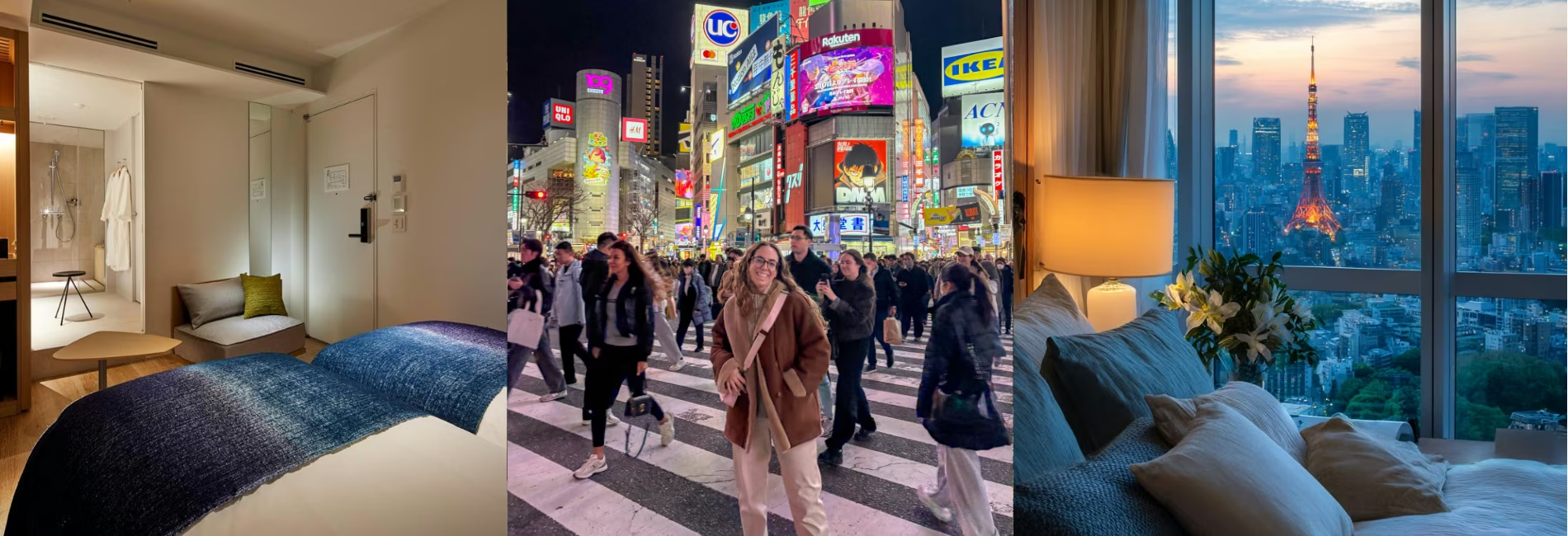
If you want to be in the heart of the action, Shibuya is the place. It’s home to the famous Shibuya Crossing, trendy fashion boutiques and Cat Street. It’s high energy, very youth-oriented, and perfect if you want to be walking distance to some of the city’s most iconic landmarks.
Just be prepared for the crowds!
Best for: Younger travelers, nightlife, shopping and first-timers who want to be in the middle of it all.
Keep in mind: Busy and loud at almost any time of day.
Shinjuku is the entertainment hub of Tokyo. It’s overwhelming in the best way possible: neon lights, the famous Memory Lane (Omoide Yokocho) and endless food spots. The train station is a bit of a maze, but it’s also the best-connected hub in the city.
Here’s our honest warning, because this is where we went wrong. Parts of Shinjuku are very “officy”, and our first hotel was in exactly the wrong part of the area. Don’t just book “Shinjuku” and hope for the best. Check the exact location on the map and try to stay near the “fun” streets if you want that hustle and bustle vibe.
Best for: Nightlife, food lovers and travelers who want the best train connections.
Keep in mind: Location within the neighborhood matters a lot. Some streets are all offices and feel empty at night.
Perfect for fans of anime, gaming and electronics. Staying here means you’re immersed in Tokyo’s otaku culture. It’s centrally located and has a very unique energy, especially on Sundays, when the main road is closed to traffic, making it a fantastic place to wander.
Best for: Anime, manga and gaming fans, and anyone who wants a central base.
Keep in mind: It’s a niche vibe. If retro games and manga aren’t your thing, one of the other areas will probably suit you better.
| Area | Vibe | Best for | Our take |
|---|---|---|---|
| Ginza | Clean, modern, quiet | First-timers, couples, shoppers | Our #1 pick |
| Asakusa | Traditional, charming | Culture and history | Peaceful in the evenings |
| Shibuya | High energy, trendy | Nightlife, fashion, iconic sights | Great, but busy |
| Shinjuku | Neon, entertainment | Food, nightlife, connections | Choose your street carefully |
| Akihabara | Quirky, otaku culture | Anime and gaming fans | Fun, especially on Sundays |
We’ve linked all of the hotels below through our Expedia affiliate links, so you can check prices and availability for your dates. Prices are starting prices per night at the time we recorded the video and will change with the season, so always double-check before you book.
✨ Best for: Incredible views, high-end amenities and 5-star service.
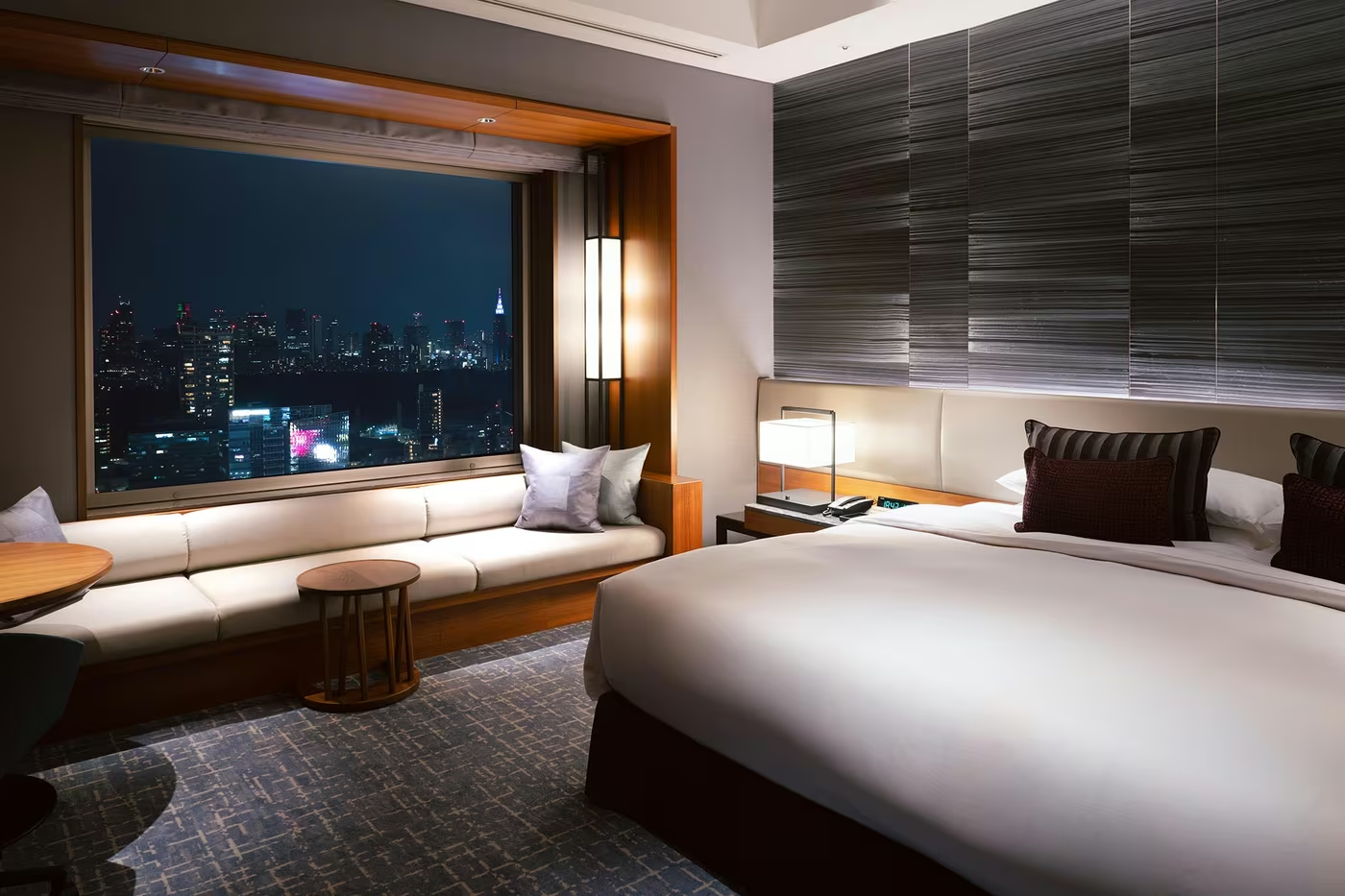
👉 Check prices and availability for Cerulean Tower Tokyu Hotel
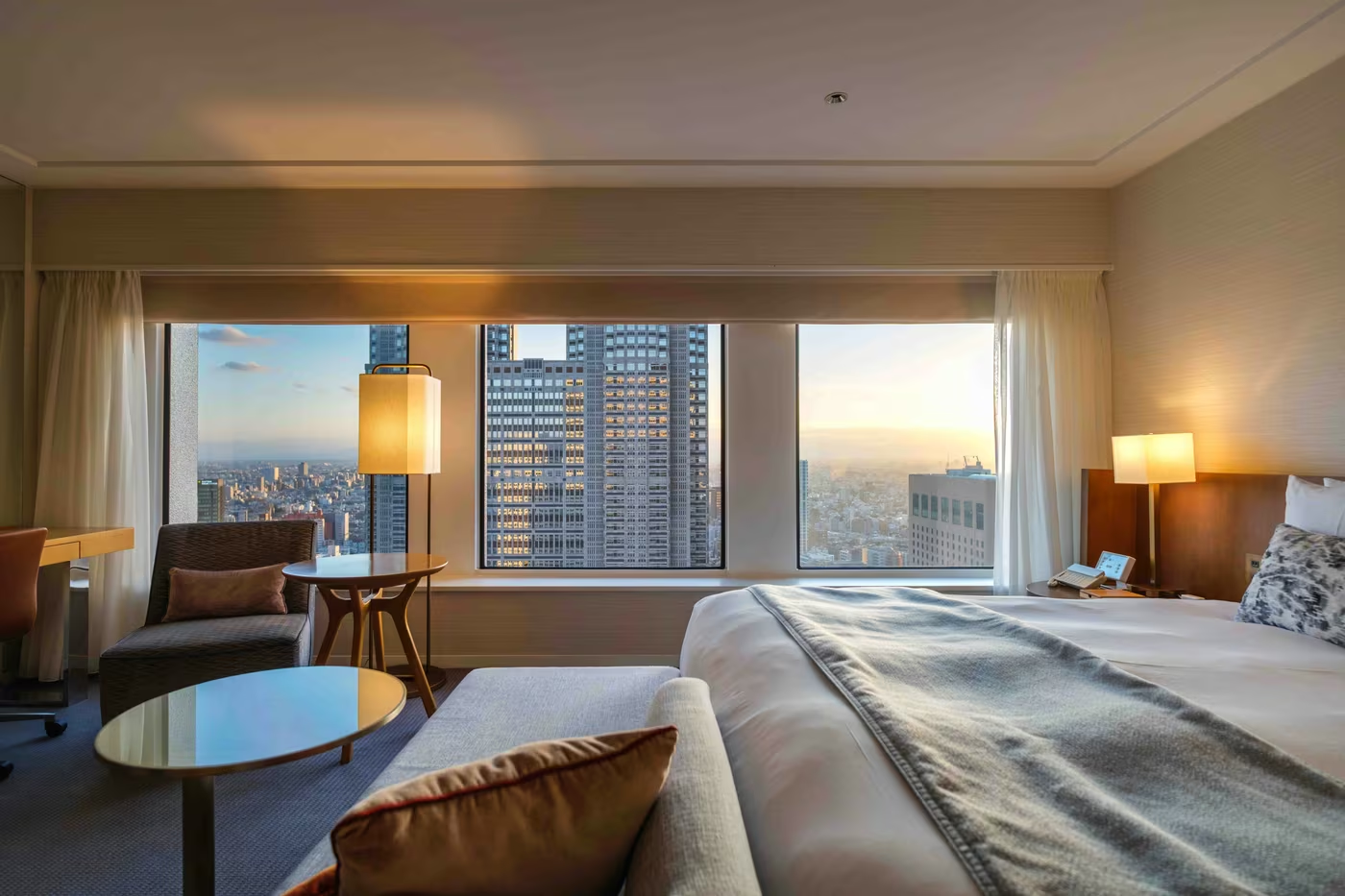
👉 Check prices and availability for Keio Plaza Hotel Tokyo Premier Grand
🏨 Best for: Value for money. These are the kind of hotels we always stay at: high quality without breaking the bank.
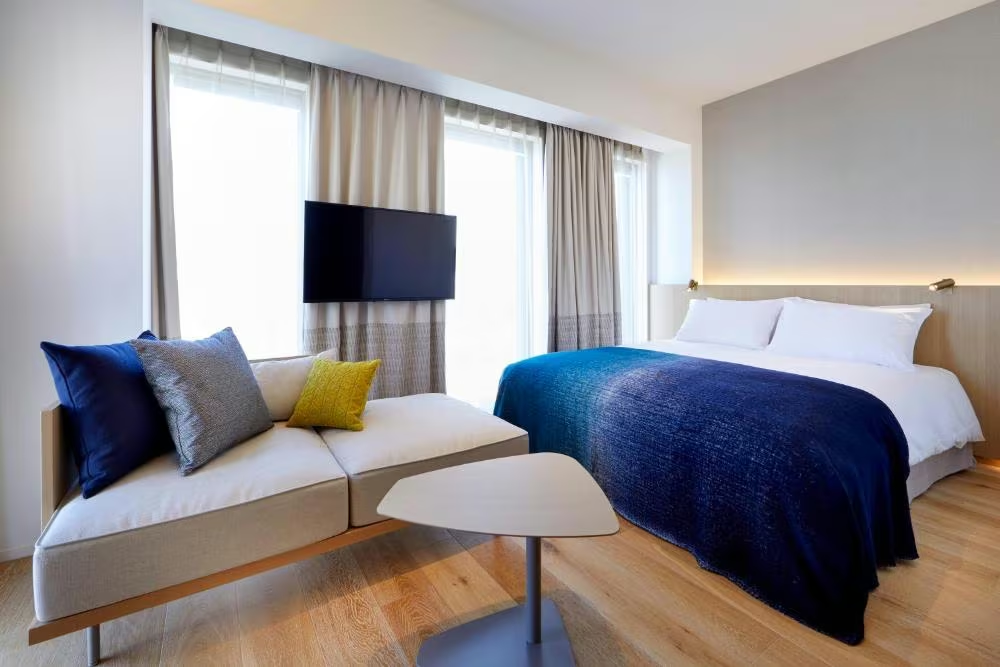
👉 Check prices and availability for TSUKI Tokyo
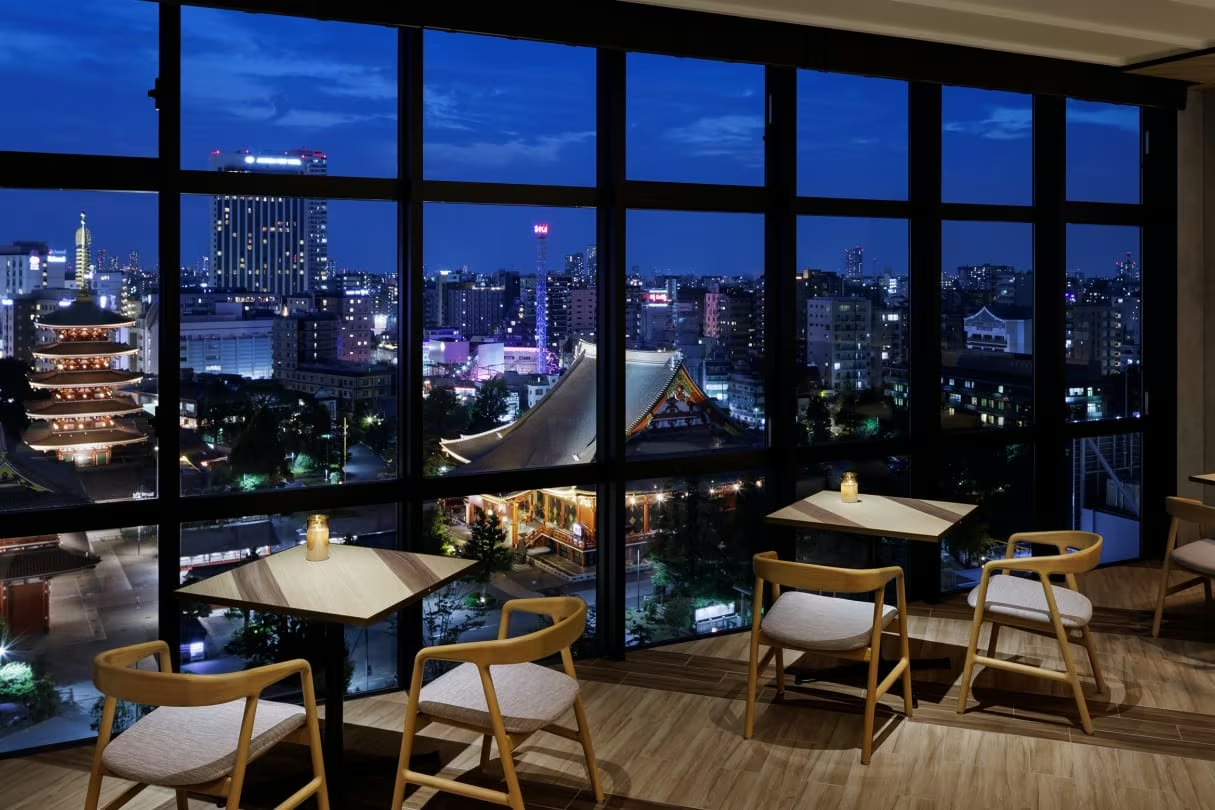
👉 Check prices and availability for OMO3 Asakusa
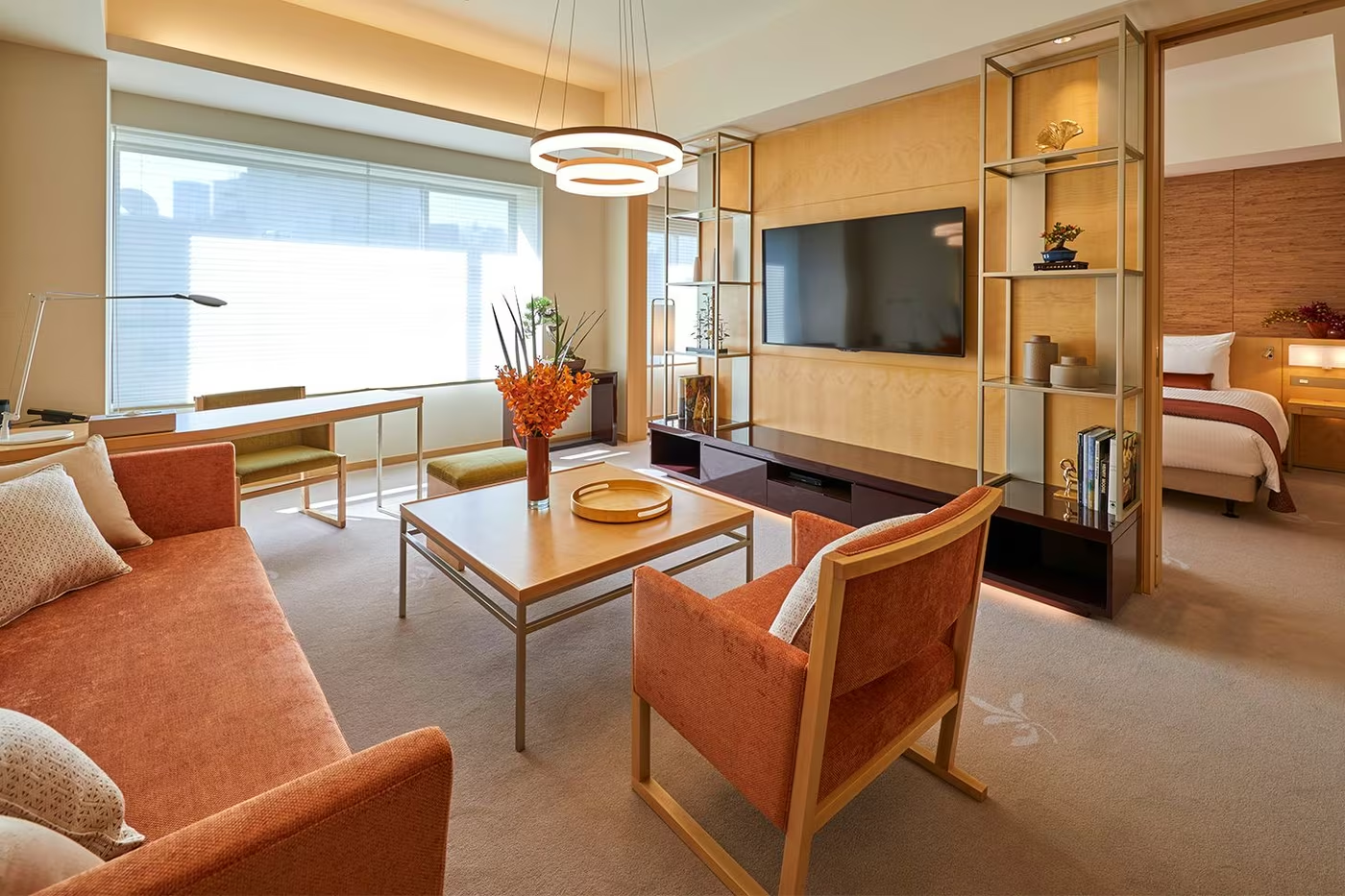
👉 Check prices and availability for THE KITANO HOTEL TOKYO
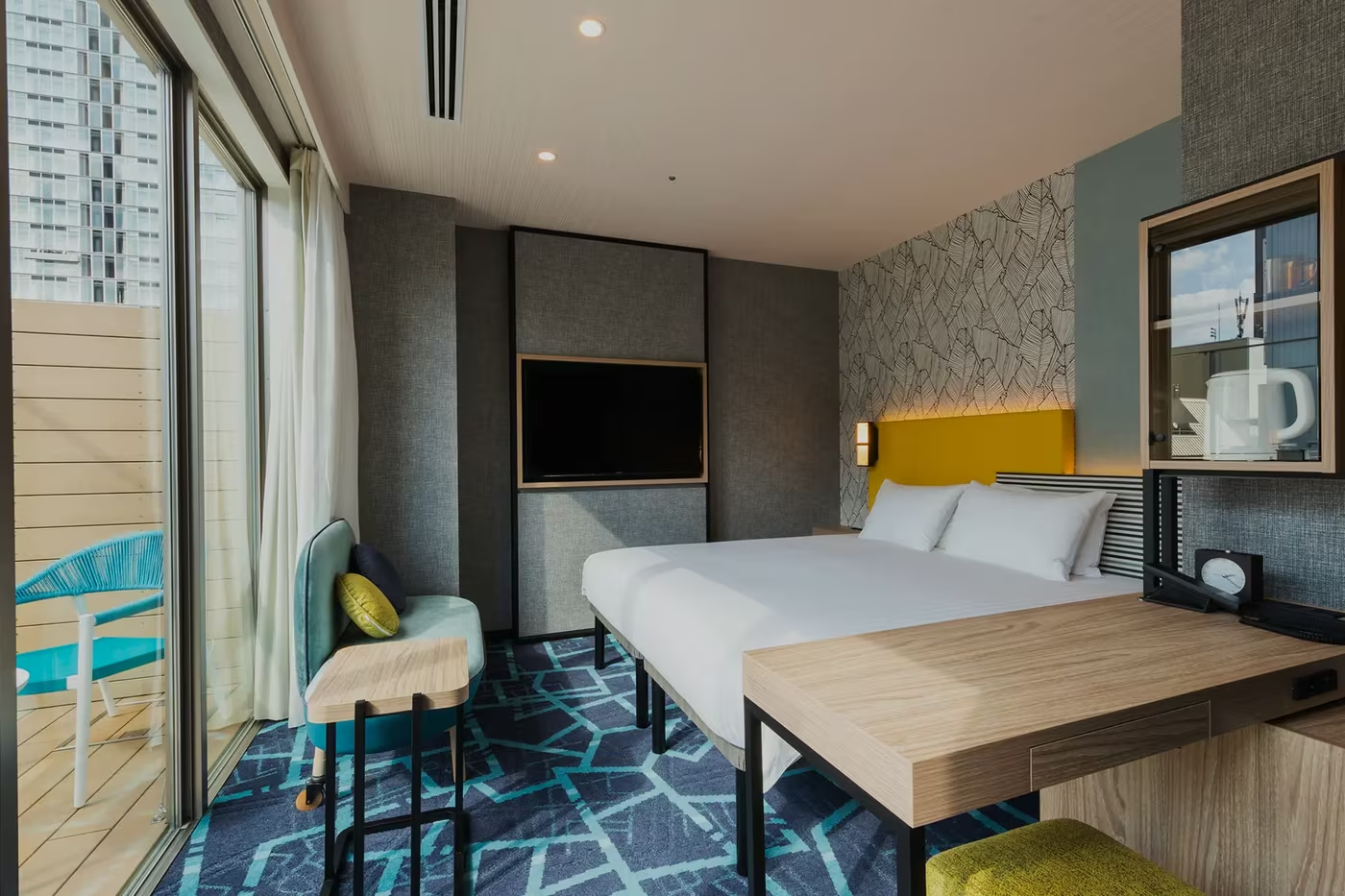
👉 Check prices and availability for JR-EAST HOTEL METS AKIHABARA
🎒 Best for: Solo travelers, friends and anyone who wants to save more money for sushi.
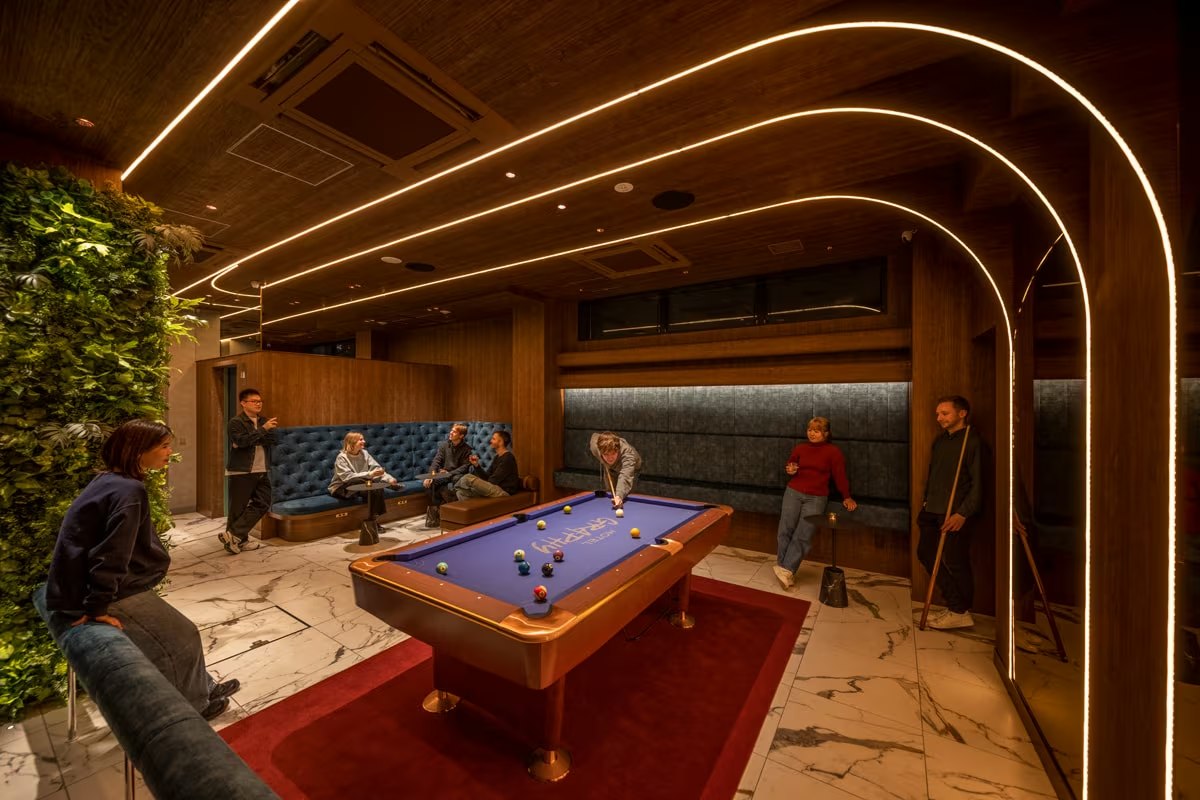
👉 Check prices and availability for HOTEL GRAPHY SHIBUYA
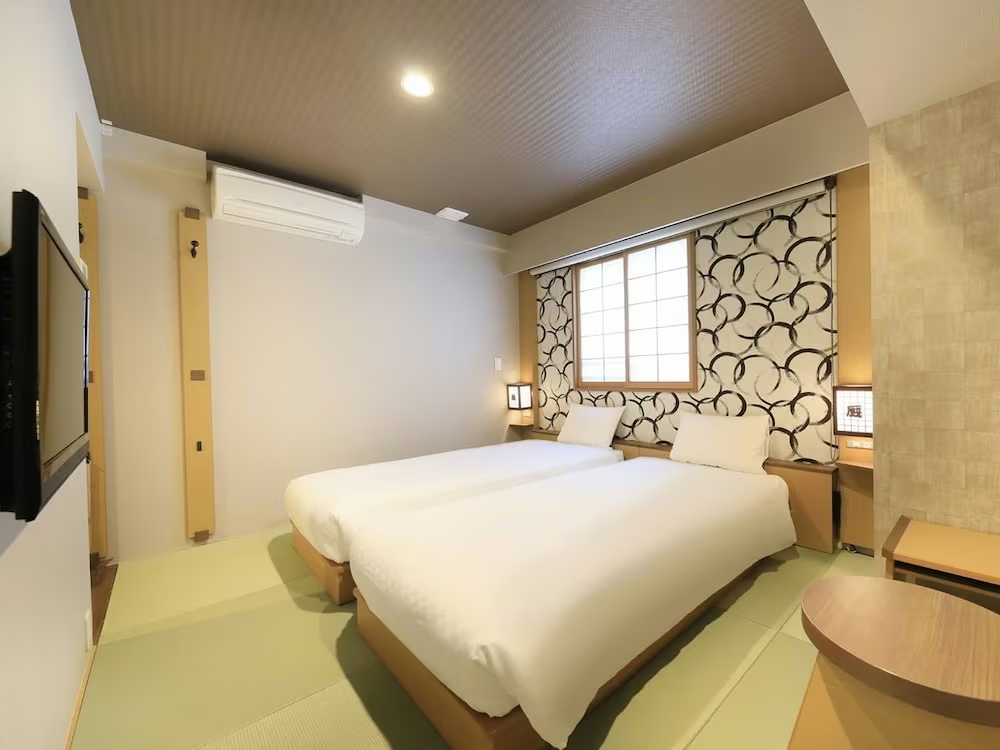
👉 Check prices and availability for Tamayura Hotel Asakusa
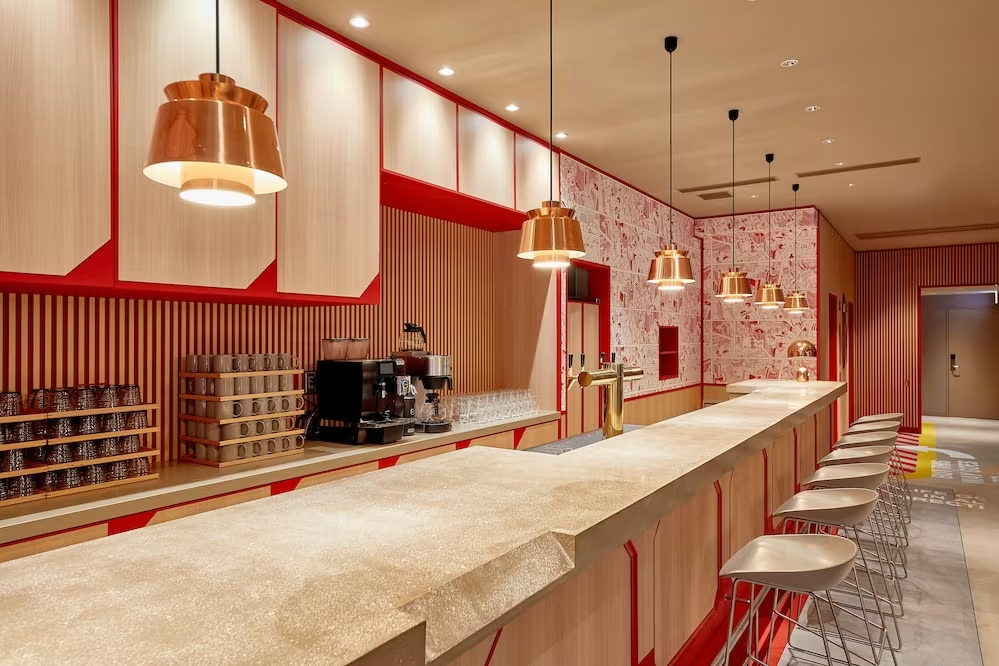
👉 Check prices and availability for lyf Ginza Tokyo
If you’re still undecided, here’s how we’d think about it:
The biggest lesson from our trip: always check the exact location on the map, not just the neighborhood name. Our first hotel was technically in a popular area, but on the wrong street, and it made all the difference.
We recommend Ginza. It’s clean, modern, quiet and well connected by metro, and hotels there often offer better value than in more tourist-heavy areas. If you’d rather be in the middle of the action, Shibuya and Shinjuku are the classic choices.
Yes, but choose carefully. Shinjuku is the best-connected hub in Tokyo and full of food and nightlife, but parts of it are mostly offices. Stay near the livelier streets, like the ones around Memory Lane, rather than the business district.
Shinjuku and Shibuya are the best options for nightlife, food and late-night energy.
Asakusa. It’s home to Senso-ji Temple, the streets feel older and more charming, and it’s peaceful in the evenings.
Based on the hotels in this guide, budget options start at around $80 to $95 per night, mid-range hotels at around $145 to $200 per night, and luxury hotels at around $400 to $450 per night. Prices change with the season, so check your dates before booking.
Akihabara. It’s the center of Tokyo’s otaku culture, and the main street is closed to traffic on Sundays, which makes it great for wandering.
Tokyo is a city that stays with you long after you leave. We hope this guide helps you find the perfect place to rest your head after a day of exploring, and saves you from making the same mistake we did.
Planning the rest of your trip? Here’s what to read next:
And if you’re feeling overwhelmed by all the planning (we definitely were), we built a planner for exactly that. You can download it for free here and add your hotels, places to visit and even your budget, all in one place.
If you’re traveling to Tokyo soon, subscribe to our YouTube channel. Our next videos cover the best things to do in Tokyo and the best food spots.
Nas & Alba