Download our FREE Japan Planner Template →
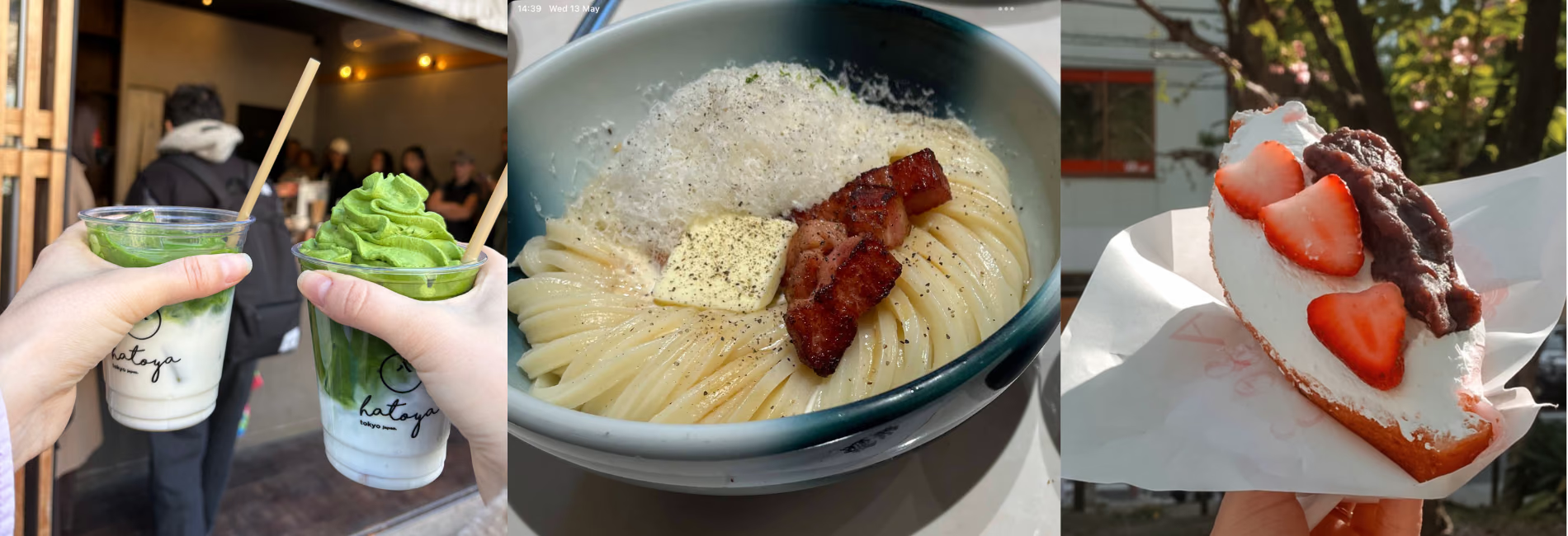
Tokyo is one of the best food cities in the world, and also one of the easiest places to lose half your day standing in a line. We’ve been there. On this trip we saw queues for carbonara udon, fried sandwiches and matcha that made us turn around before we even got close.
So in this guide we’re sharing the best places to eat in Tokyo that we actually tried, what we paid, and exactly how we avoided the long waits. We’ll also tell you honestly which places were not worth it, and which viral spots we skipped because of the queues.
Watch the full video below, or keep scrolling for the written guide with prices and tips.
📍 Get every restaurant in this guide pinned on Google Maps
Buy our Japan Travel Guide and get access to a Google Map with every restaurant and location we recommend in Tokyo already pinned for you. No more copying places one by one. Just open the map and go.
👉 Get the Ultimate Japan Travel Guide (with the pinned Google Map)
Quick answer: Our favorite places to eat in Tokyo without huge queues are the Tsukiji Outer Market (go in the morning, and try the indoor market for fewer crowds), Soushi Menya Musashi for tsukemen in Shinjuku (arrive before 18:30), Ichiran at 2 AM, Ginza Tsuboyaki-imo for sweet potato, Amigo for Japanese cheesecake in Ginza, Hatoya Matcha in Asakusa and an omakase at Kiku Sushi in Koenji.
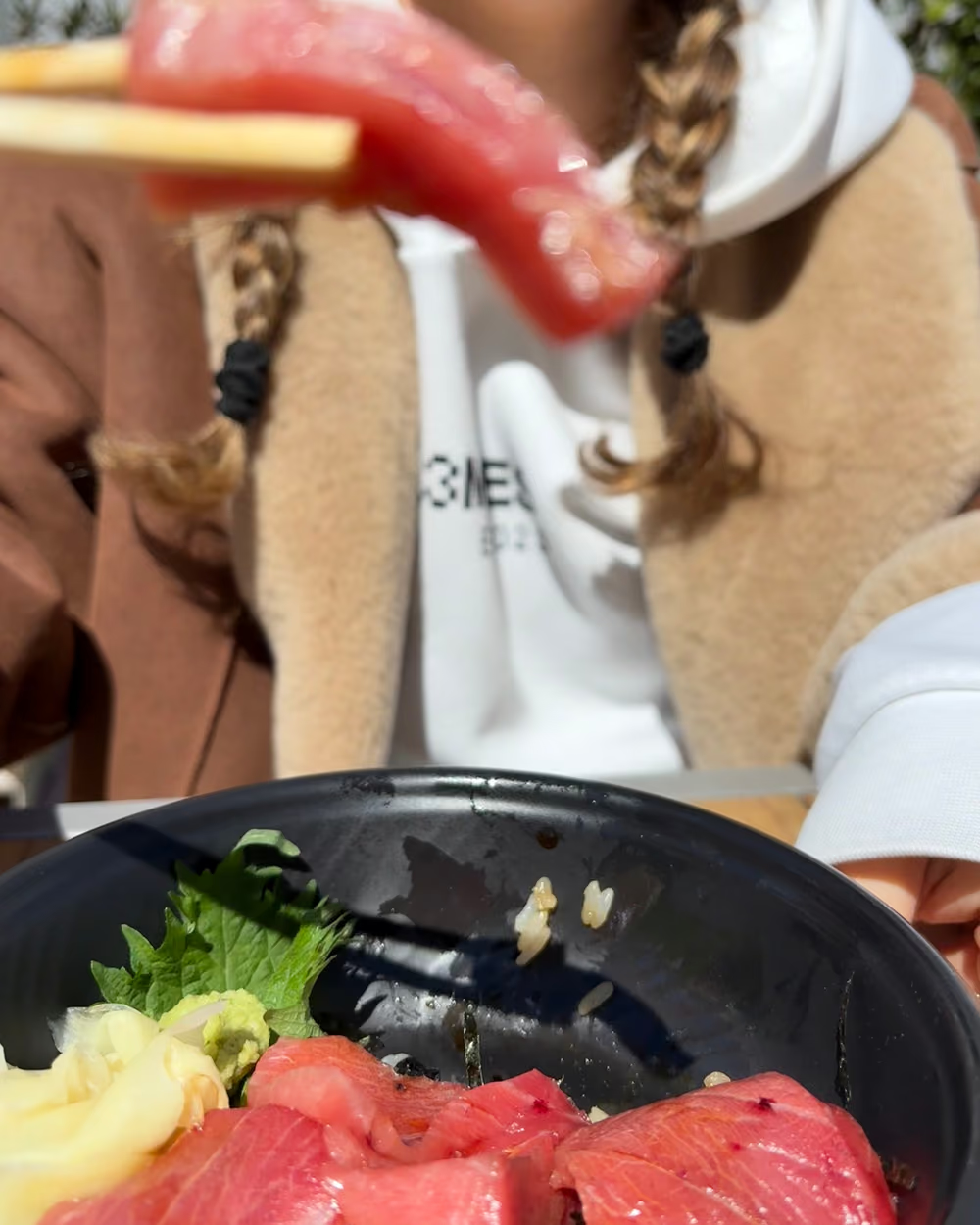
Yes, it’s touristy, and yes, it gets busy, but the food at Tsukiji is still incredible. Our advice is to go in the morning, at around 9 AM. Sushi is at its freshest then, so eating it for breakfast actually makes sense. Also, the market closes at around 2 PM, so don’t leave it late.
Most people stay near the outside stalls. Here’s what we ate and what we paid:
Our tip to skip the crowds: there’s an indoor market just behind the outer stalls that’s far less crowded. That’s where we found Tokyo Kitani, and there’s a rooftop with tables where you can sit and eat properly instead of standing in the middle of a crowd.
Best for: Sashimi, seafood and a proper Tokyo food breakfast.
Queue tip: Go around 9 AM, and head to the indoor market instead of only the outer stalls.
Planning your day around Tsukiji? Read our guide to the 15 best things to do in Tokyo.
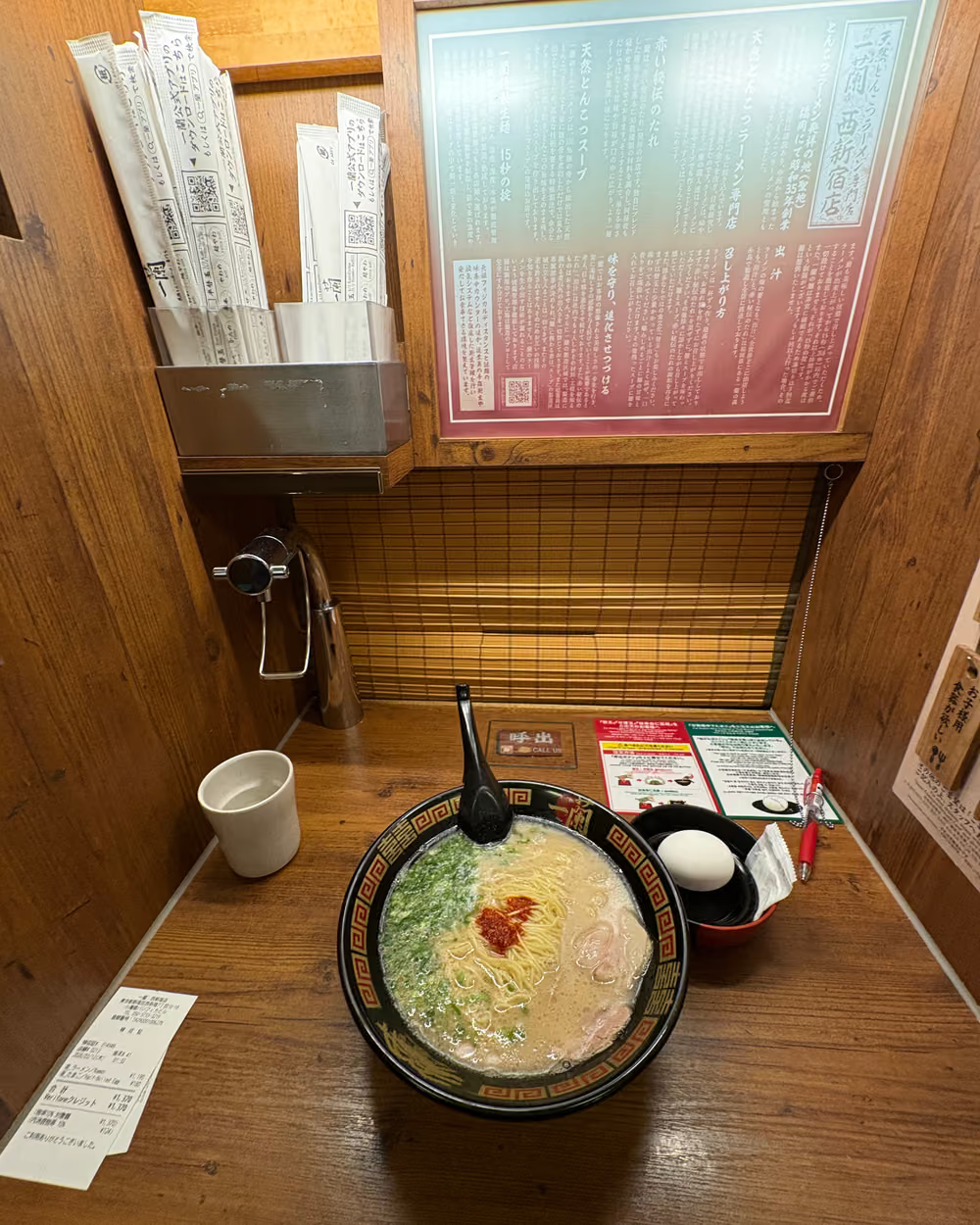
Price: ¥1,200 to ¥1,600
Ichiran met our expectations. The concept is cool, and the broth is delicious. We went for the first time at 2 AM and loved it, with no real wait.
Here’s the catch. When we tried to go again during the day, in areas like Shibuya or Shimbashi, the queue was hours long. If you want Ichiran without wasting your afternoon, go late at night or very early in the morning.
Best for: Late-night ramen and solo diners.
Queue tip: Go at night. Daytime queues in popular areas can last hours.
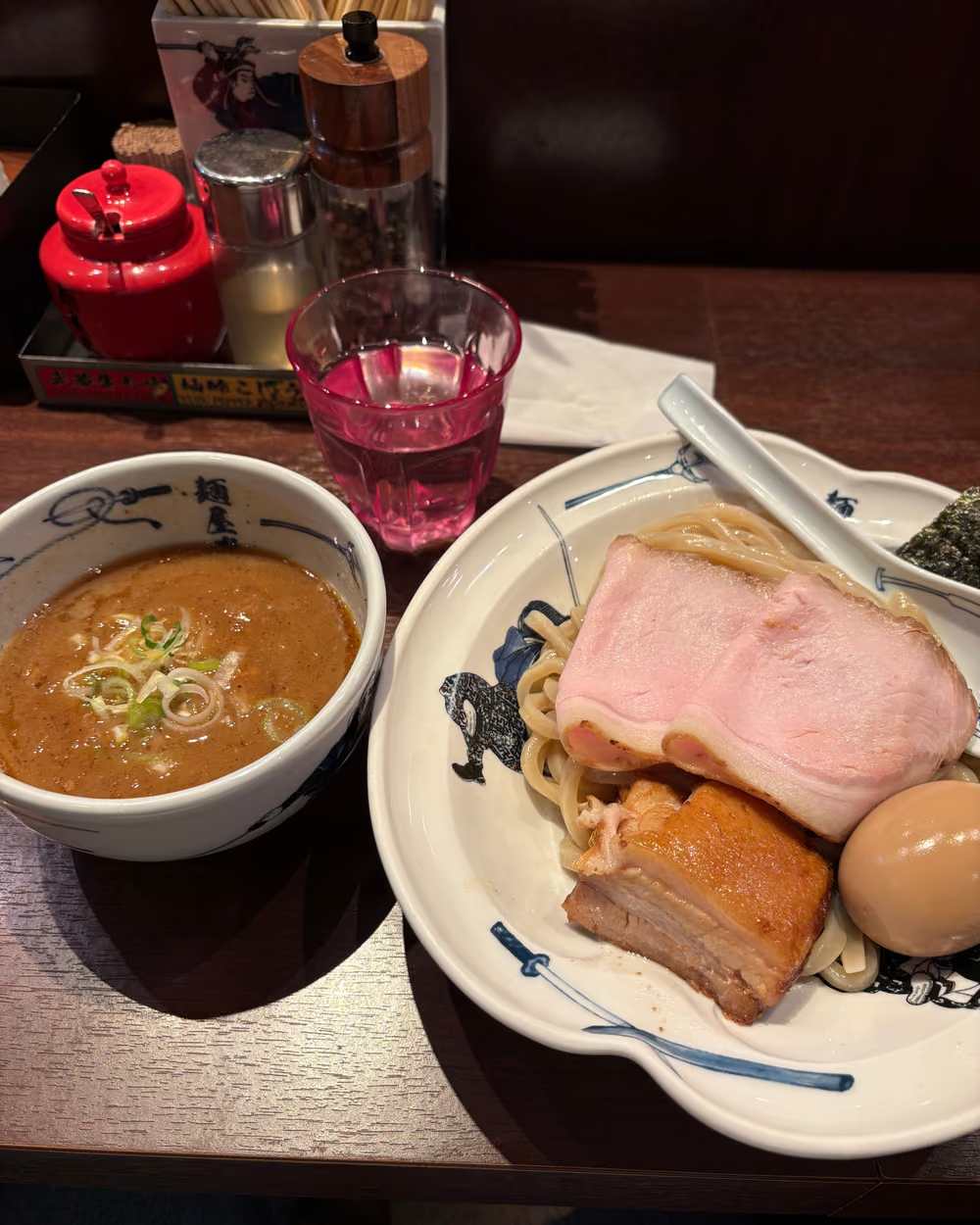
If you want to try tsukemen (dipping ramen), we recommend Soushi Menya Musashi in Shinjuku. The food was delicious.
Two things to know before you go:
Best for: Ramen lovers who want something different from the usual bowl.
Queue tip: Be there before 18:30.
Price: ¥1,200 per potato
A Tokyo food stop that surprised us. Ginza Tsuboyaki-imo sells roasted sweet potatoes, and it’s the perfect snack while you’re wandering around Ginza. It’s not the cheapest potato you’ll ever eat, but it’s a very Japanese treat.
Best for: A sweet snack in Ginza.
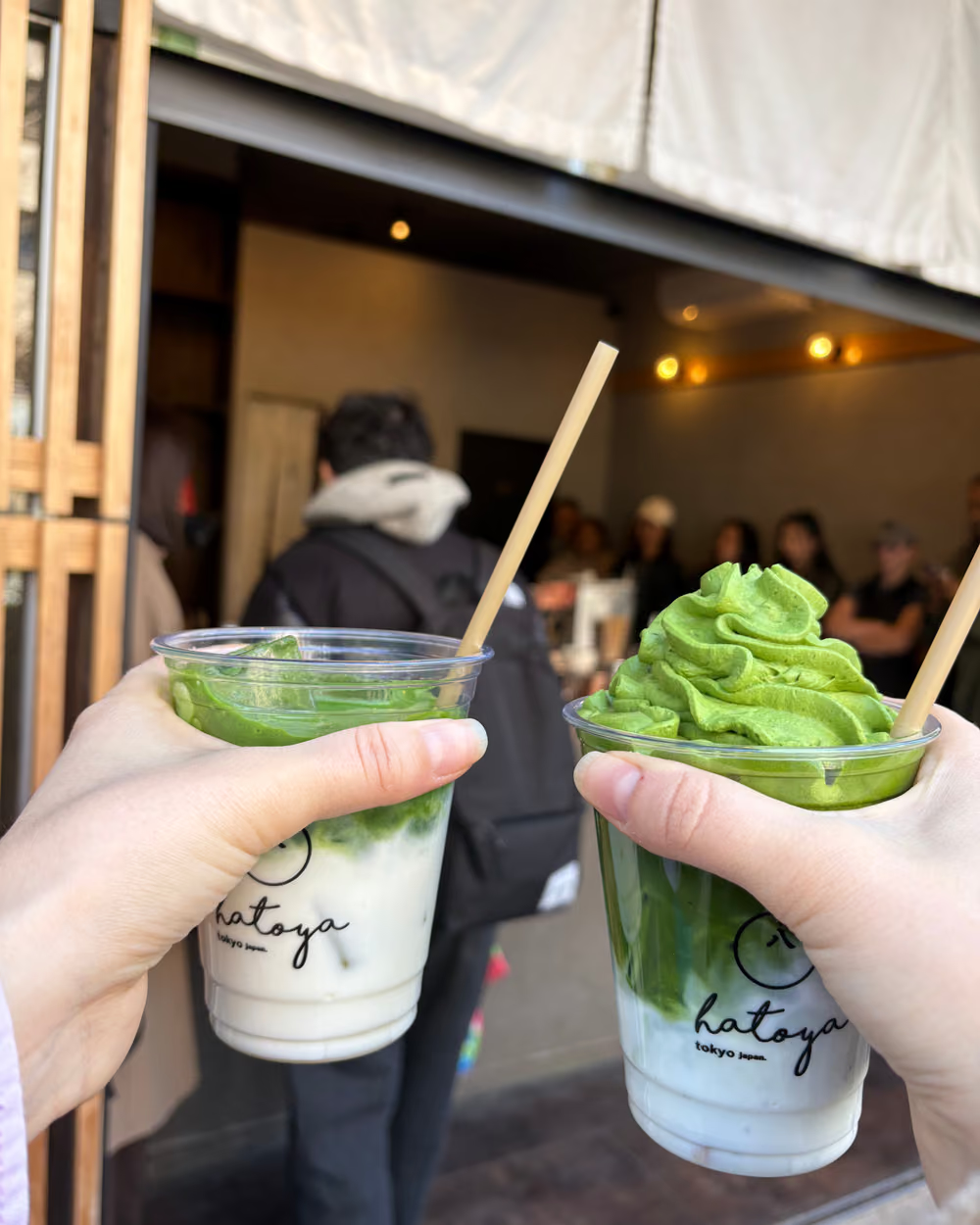
Hatoya Matcha is a premium matcha café just a short walk from Senso-ji Temple, and it’s our favorite matcha in Tokyo. Everything is made right in front of you, so it feels like an experience rather than a drink to go.
It’s not a no-queue spot, so we’re being honest here: we arrived 20 minutes after opening and still waited around 30 minutes. We paid about $18 for two matchas, and we’d do it again without hesitation.
Pro tip: Take your matcha to Sumida Park, right by the river, for great views of the Tokyo Skytree.
Best for: Matcha lovers and a break from Asakusa’s crowds.
Queue tip: Go as early as you can after opening.
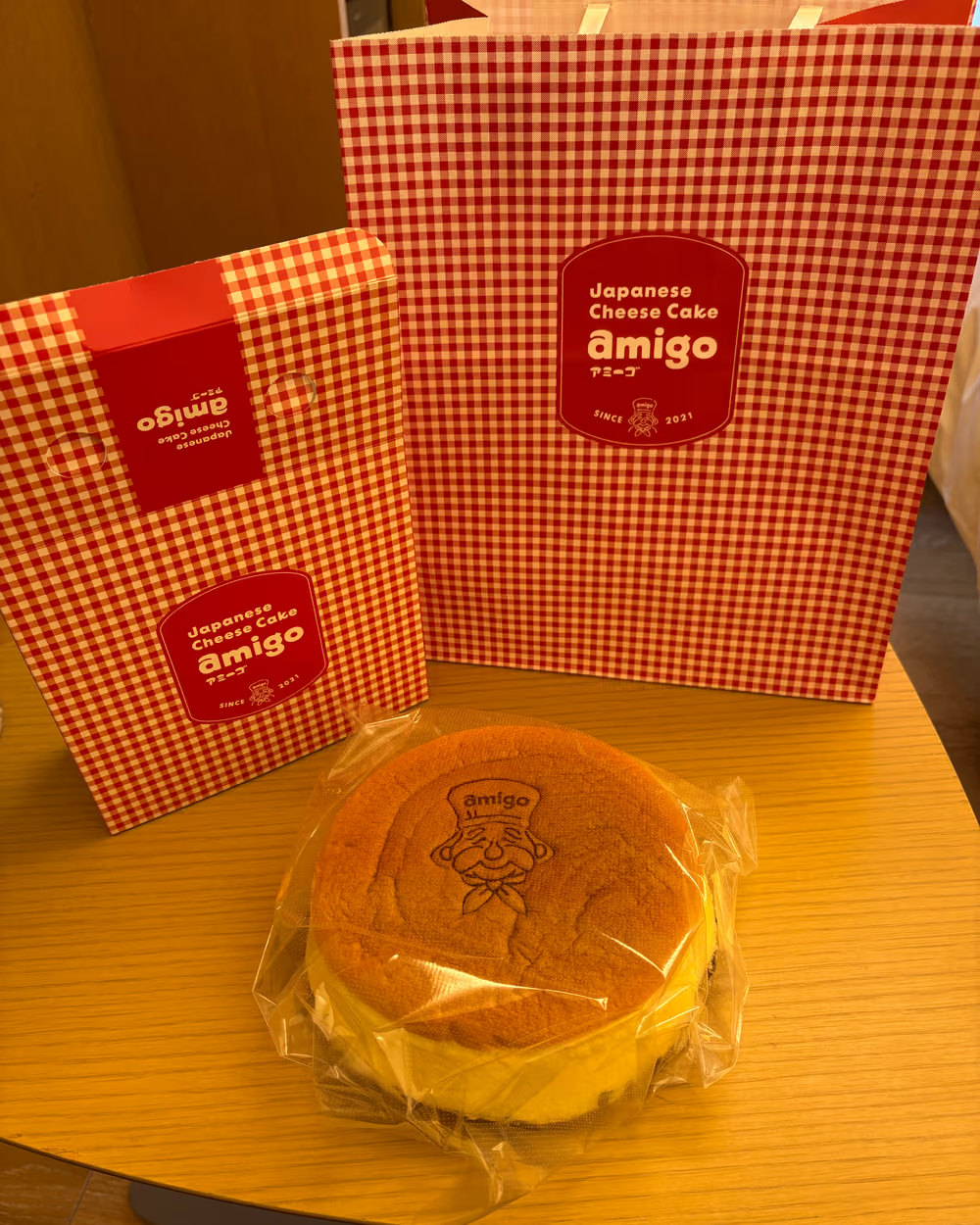
If you love Japanese cheesecake, Amigo in Ginza is the best replacement we found for the famous one in Kyoto, which is super packed. Same idea, a lot less waiting.
Best for: Dessert and anyone who doesn’t want to queue for cheesecake.
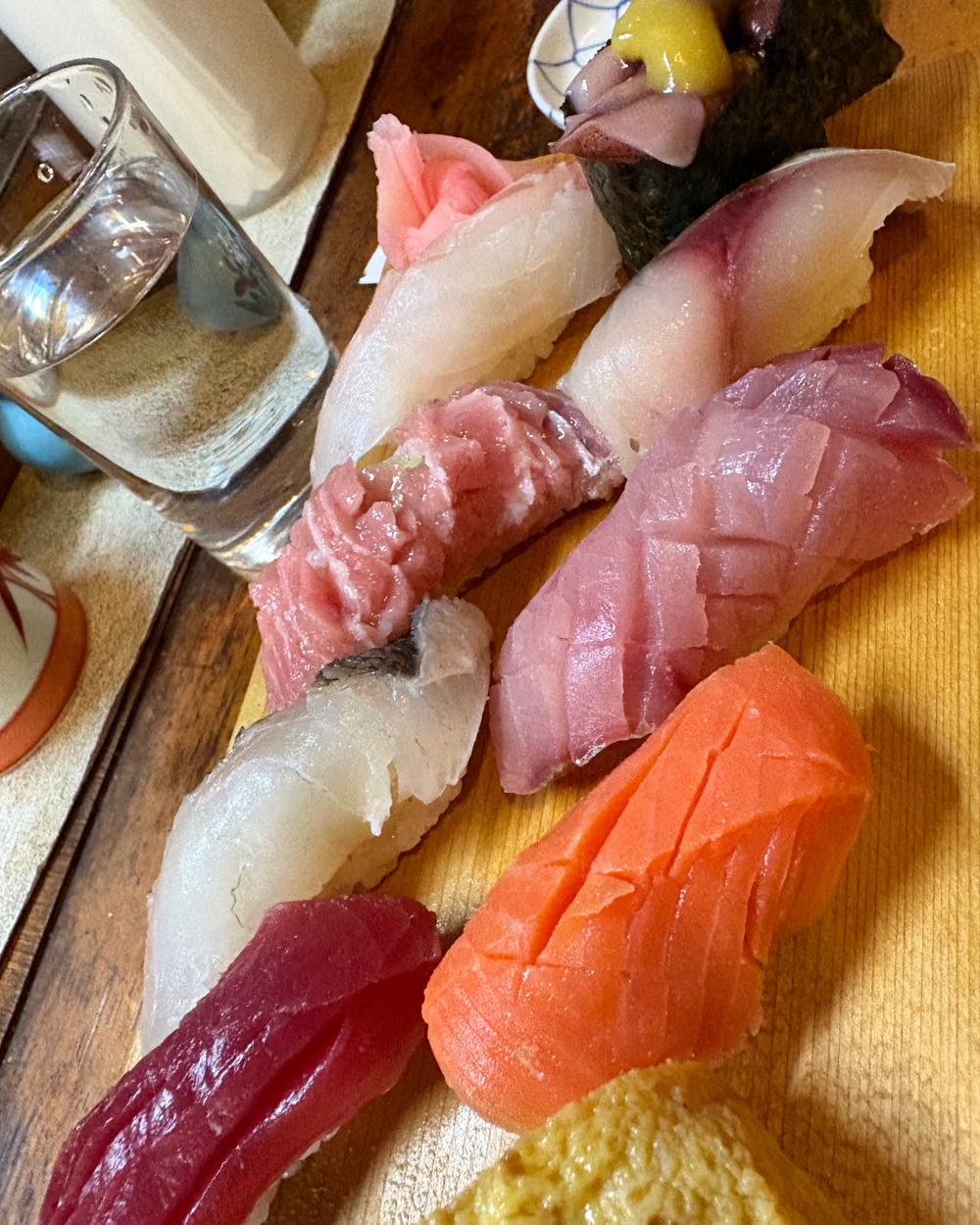
If you want an authentic, non-touristy sushi experience, we recommend an omakase in Koenji. Omakase literally means “I’ll leave it up to you,” so there’s no set menu: the chef picks the freshest fish and prepares each piece in front of you.
We found a tiny local spot called Kiku Sushi that was exactly what we hoped for: no tourist theater, just a chef doing what he does, up close.
Best for: An authentic sushi experience away from the tourist crowds.
These didn’t make our main list, but they’re worth knowing about.
You’ll see these all over social media, so you should know what to expect. We didn’t try these ourselves, mostly because the queues put us off. We’re sharing them so you can decide for yourself.
From our experience on this trip:
| Spot | Area | What to try | Price | Queue tip |
|---|---|---|---|---|
| Tsukiji Fish Market | Tsukiji | Soup dumplings, tuna bowl, wagyu skewers | ¥500 to ¥4,000 | Go ~9 AM, try the indoor market |
| Ichiran | Various | Tonkotsu ramen | ¥1,200 to ¥1,600 | Go at night (2 AM was perfect) |
| Soushi Menya Musashi | Shinjuku | Tsukemen (dipping ramen) | n/a | Arrive before 18:30 |
| Ginza Tsuboyaki-imo | Ginza | Roasted sweet potato | ¥1,200 per potato | n/a |
| Hatoya Matcha | Asakusa | Premium matcha | About $18 for two | Go right after opening |
| Amigo | Ginza | Japanese cheesecake | n/a | Much shorter than Kyoto’s famous one |
| Kiku Sushi | Koenji | Omakase | n/a | Local spot, tiny, no tourist theater |
🗺️ Want every spot saved in one place?
Our Ultimate Japan Travel Guide comes with access to a Google Map with all the restaurants and locations we recommend in Tokyo already pinned. Open it on your phone, and you’ll always know what’s nearby.
Our favorites are the Tsukiji Outer Market (go around 9 AM and try the indoor market), Soushi Menya Musashi in Shinjuku (arrive before 18:30), Ichiran at night, Amigo in Ginza for cheesecake and Kiku Sushi in Koenji for omakase.
We recommend around 9 AM, when the sushi is at its freshest. The market closes at around 2 PM, so don’t leave it too late.
Yes, it met our expectations. The concept is fun and the broth is delicious. Just go at an off-peak time: our 2 AM visit was great, but daytime queues in Shibuya and Shimbashi were hours long.
Based on the places in this guide, a bowl of ramen at Ichiran costs about ¥1,200 to ¥1,600, a tuna sashimi bowl at Tsukiji about ¥2,500, and a sweet potato in Ginza ¥1,200. Prices change, so treat these as a guide.
We recommend an omakase in Koenji, a local neighborhood about 30 minutes by train from central Tokyo. We went to Kiku Sushi, a tiny spot with no tourist theater.
In our experience: Age 3 Ginza, The Frites Stand in Harajuku and The Matcha Tokyo in Omotesando all had massive queues, and we skipped the famous carbonara udon spots because of the lines.
Yes. When you buy our Ultimate Japan Travel Guide, you get access to a Google Map with all the restaurants and locations we recommend in Tokyo already pinned.
Tokyo’s food scene is huge, and you don’t need to queue for hours to eat well. A bit of planning (early mornings, late nights and a few local spots) will save you a lot of time.
Planning the rest of your trip? Read these next:
If you’re traveling to Tokyo soon, subscribe to our YouTube channel for the rest of our Japan series.
Nas & Alba